Reviewed · PLAYA DEL CARMEN TOURS
Open Water Diver course PADI including underwater video
Playa del Carmen makes a memorable classroom: you build basic scuba skills in a pool, then take them into cenotes and the Caribbean. This three-day PADI course pairs practical instruction with very different underwater settings, and hotel transfers keep the daily routine simple.
Two things I like here are the mix of cenote and reef training, which gives you more than one kind of underwater environment, and the patient, confidence-first teaching that instructors such as Julia, Patrick, and Andrey have been praised for. The included equipment, digital manual, certification, and video also make the $480 price easier to judge.
One point to check before booking: the course outline describes two pool sessions, two cenote sessions, and two open-water reef sessions, while the inclusions also refer to four open-water sessions. Ask Diversland to confirm the exact water-training plan and how it is counted.
What to know before you book
- Three days combine study and real practice: Expect independent or classroom theory, pool skills, and open-water training.
- Cenotes add a distinctive setting: The course includes cenote training as well as sessions in the Caribbean.
- Hotel transfers are included: Pickup is offered at hotels in Playa del Carmen, Cancun, and Riviera Maya.
- The group is capped at 15: You may be in a small class, but the maximum still allows for a group setting.
- The $480 price covers key course costs: Equipment, instruction, PADI certification, digital manual, fees, taxes, and underwater video are included.
- Plan around your flight: The provider does not recommend scuba activity within 24 hours of flying.
Three days from theory to open water
The PADI Open Water course is the first step toward an internationally recognized certification. Once certified, you can scuba to a maximum depth of 18 meters, subject to the rules and conditions of the place where you go.
The training has three parts: knowledge development, confined-water practice, and open-water training. You can complete the theory online, study independently, or work through it in a classroom. That flexibility is useful if you prefer to arrive with some preparation already done, but it does mean you should set aside time for the material rather than treating the course as three days of sightseeing.
The pool portion is where you learn and repeat basic skills in a controlled setting. This is the time to get comfortable with your equipment and work through each task without the added demands of open water. Instructors can repeat explanations and give you time to practise. That patient pace matters, especially if you feel nervous or need a little longer to settle in.
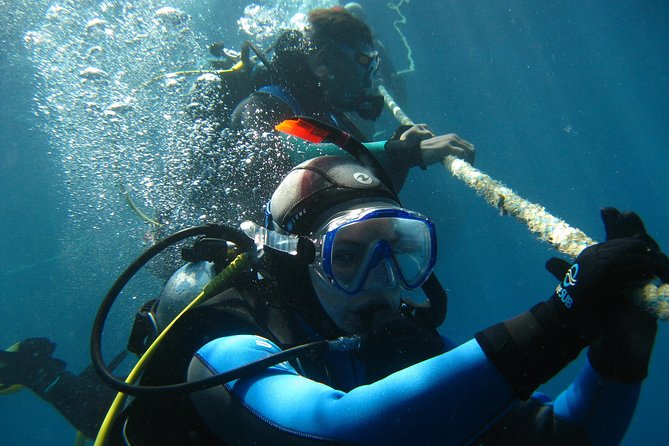
The training then moves to open water. The course description includes two cenote sessions and two sessions in open water, alongside pool practice. Cenotes offer a very different setting from the sea, while the Caribbean sessions give you experience in a coastal environment. The inclusion details also describe four open-water sessions, so it is worth confirming the precise schedule and how the cenote sessions fit into that count before you pay.
The schedule starts at 8:30 am and runs for about three days. That leaves little room for a packed sightseeing plan on course days. Think of this as a short training program, not a quick add-on between beach visits. You will get more from it if you arrive rested, leave time for study, and can focus on practising skills.
More Playa del Carmen tours:
- From Playa del Carmen ATV Adventure with Ziplines, Cenote
★ 5.0 · 2,041 reviews - Half-Day Sea Turtle and Cenote Snorkeling Tour from Cancun & Riviera Maya
★ 5.0 · 2,039 reviews - VIP Chichen Itza Private Tour
★ 5.0 · 1,782 reviews
Pool practice builds confidence
For a new scuba student, the pool is more than a warm-up. It is where you can learn the basic procedures and gain a feel for the equipment before dealing with the demands of open water. If you are uneasy about being underwater, this stage gives you a chance to ask questions and practise at a measured pace.
The instructors are the biggest part of that equation. Past students have singled out Julia, Patrick, and Andrey or Andrii for calm explanations, patience, and close support. One student described Patrick staying nearby when nerves were high; others valued Julia’s repeated explanations and questions that helped them keep up with the theory. Those are useful qualities in an instructor, not just pleasant extras.
Instructor assignments can change, so do not assume you will have a particular person. Still, the names and feedback point to a school where patient instruction has been a recurring strength. If you have concerns about a skill, say so early. You are there to learn the basics safely, not to race through a checklist.
The class may include up to 15 participants. That is a maximum, not a promise of a private lesson, and the attention you receive can depend on the group and the day. If you want a smaller setup or have specific support needs, ask Diversland about the group size expected for your dates.
Cenotes and Caribbean sessions
The cenotes are a key reason this course feels specific to the Yucatan rather than interchangeable with a certification anywhere else. You get to practise in a setting distinct from the sea, then continue your training in open water. Even without assuming exactly what you will see, that change of environment can make the course more varied and help you learn how conditions differ.
One past course participant described a session at Casa Cenote and mentioned a crocodile named Pancho. That is a memorable local detail, but wildlife is never something to count on or approach. Treat it as a reminder that cenote settings can have their own character, not a guarantee that you will see a crocodile.
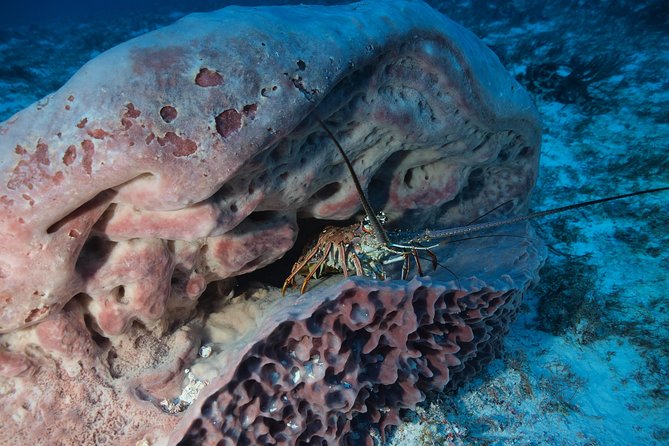
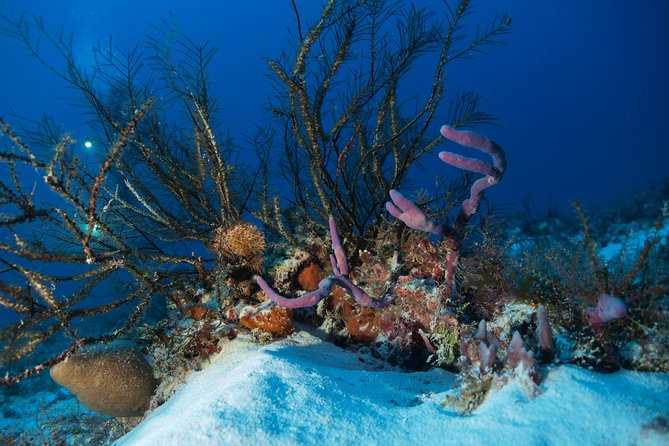
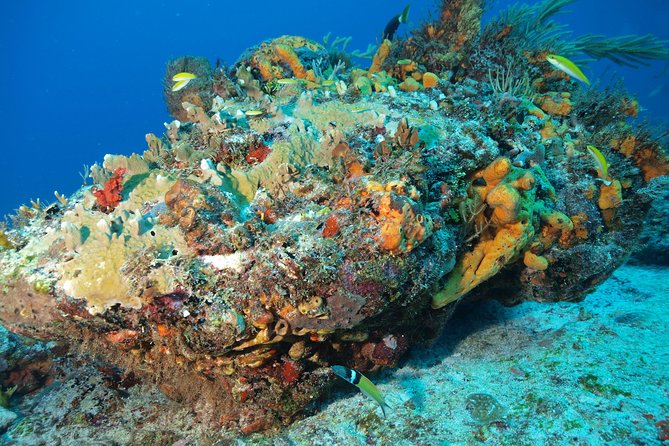
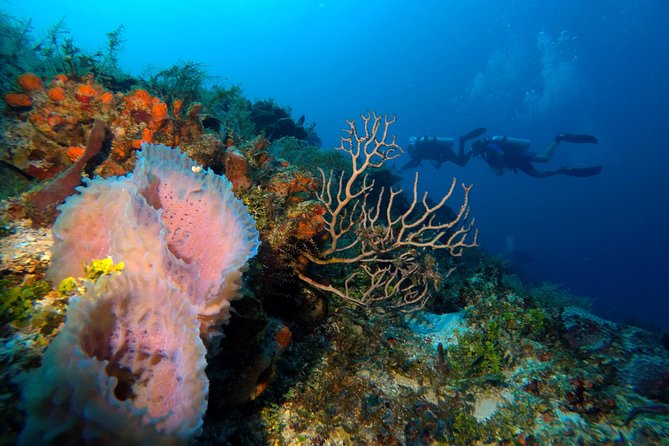
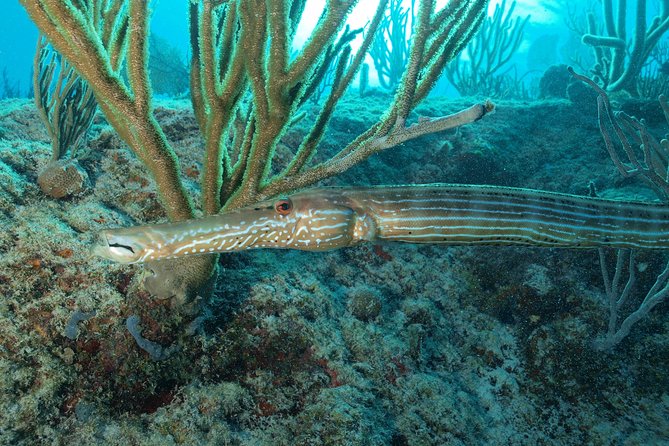
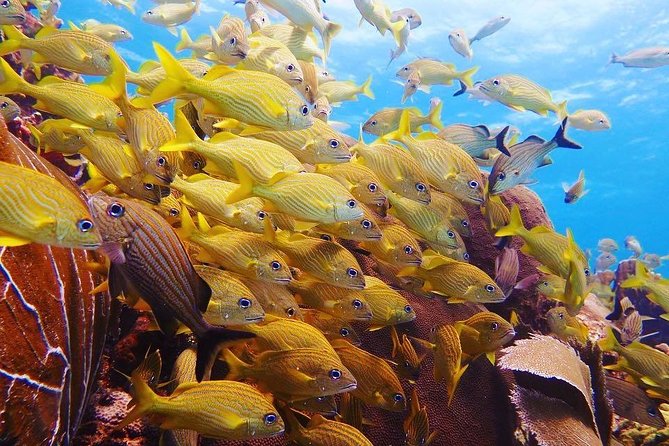
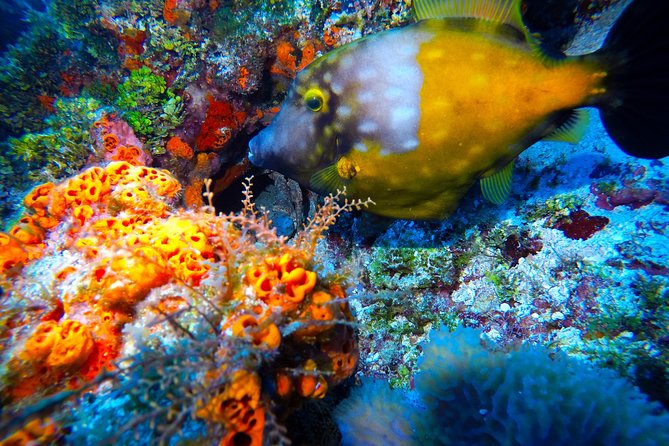
The Caribbean reef sessions add another kind of practice. One student recalled corals and fish, a welcome reward after the concentration of skill training. The aim, though, is not simply to look around: you are applying what you learned in the pool, following the instructor, and developing control in open water.
Weather can affect conditions. One student completed training during rough weather, but that should not be read as a promise that every planned session will go ahead unchanged. Ask the operator what happens if conditions disrupt the schedule, especially if your stay in the region is short.
What the $480 price covers
At $480 per person, this is a substantial purchase, but the price bundles most of the core course costs. Equipment, instruction, fees and taxes, the digital manual, PADI certification, bottled water, hotel pickup and drop-off, and an underwater video are included. You do not need to source scuba gear separately for the course.
The video adds a keepsake to a qualification, though it should be treated as a bonus rather than the main reason to book. The practical value lies in the training and certification, plus transport that saves you from arranging a ride to the meeting point each morning. The pickup area includes hotels in Playa del Carmen, Cancun, and Riviera Maya.
Diving insurance is optional and not included. Ask the provider what coverage is appropriate for the course and your circumstances, and check the policy details before deciding. The course also requires a health questionnaire. Some medical conditions, including asthma and heart conditions, may prevent participation, so consult a doctor if you are unsure whether scuba is suitable for you.
The certification is useful beyond this trip: the provider describes it as a worldwide certificate permitting dives to 18 meters. That makes the course a better value if you expect to scuba again. If you only want a single brief underwater outing, a full certification course may be more time and study than you need.
Swap the beach for something else:
- Playa del Carmen Buggy Tour with Cenote Swim and Mayan Village Visit
★ 5.0 · 1,747 reviews - Playa del Carmen Walking Food Tour
★ 5.0 · 1,274 reviews - Jungle Buggy Tour from Playa del Carmen Including Cenote Swim
★ 5.0 · 1,253 reviews - Hidden Cenote Swim: Snorkeling, Sea Turtles and Beachside Lunch
★ 5.0 · 1,222 reviews
Transfers, timing, and preparation
The stated start time is 8:30 am, with pickup offered from hotels in Playa del Carmen, Cancun, and Riviera Maya. Confirm your pickup time and location directly, since it will depend on where you are staying. The listed start and end point is Plaza Palmeiras in Playa del Carmen, and the activity ends back at the meeting point.
The course lasts approximately three days, but plan for those days to be dedicated to training. The knowledge component may be completed online, independently, or in a classroom, so ask how much theory you should finish before the first morning. Getting ahead on study can help you focus on practical skills once the course begins.
You must be at least 10 years old, and the course is described as suitable for most participants. Everyone completes a health questionnaire before training. If you have a medical concern, get medical advice before booking rather than hoping to resolve it at check-in.
Avoid scheduling a flight within 24 hours after scuba activity. This timing matters when you are planning the last day of your trip. Leave a buffer before flying, and do not build a tight airport transfer around your final session.
Booking confirmation is provided at the time of booking. The cancellation terms allow a full refund if you cancel at least 24 hours before the start time. Cancellations or changes made inside that 24-hour window are not accepted for a refund or change, so make sure your travel dates and health plans are firm.
Who will get the most from this course
This course suits you if you want a proper first certification and are willing to spend three days learning, practising, and studying. It is especially appealing if you want the contrast of cenotes and Caribbean reef training rather than a pool-and-sea-only course. Families with eligible children, couples, and solo students can all take part, provided each person meets the age and health requirements.
It also looks like a good fit for nervous beginners who value patient coaching. The emphasis on repeating skills and helping students feel safe is reassuring, though no instructor can remove the need to listen carefully, practise, and communicate when you are uncomfortable. If you are uneasy, tell the instructor what concerns you instead of trying to push through silently.
You may want another option if you have only one free day, dislike classroom or independent study, or are not comfortable committing to a multi-day program. This is a certification course, not a casual underwater excursion. Its strongest value comes from finishing with both skills and a qualification you can use on future trips.
Should you book it?
I would consider this course if you want to become certified in Playa del Carmen and value instruction, equipment, hotel transfers, and the mix of cenote and reef settings in one package. The $480 price includes many of the costs that can add up separately, and the repeated praise for patient, confidence-building teaching is particularly relevant for beginners.
Before booking, ask Diversland to clarify the number and type of water sessions, since the course outline and included-session count are worded differently. Confirm your pickup details, theory requirements, and any health concerns as well. If the schedule fits and you are ready to give three days to training, this is a practical way to turn a beach holiday into a lasting qualification.
FAQ
How long does the course take?
It takes approximately three days.
What time does the course start?
The stated start time is 8:30 am.
What certification does the course provide?
It includes PADI Open Water Diver certification, the first level of certification, which allows scuba to a maximum depth of 18 meters.
What training is included?
The course includes knowledge development, confined-water practice, and open-water training. The described plan includes pool practice, cenote sessions, and open-water sessions. Confirm the exact session count with Diversland before booking.
Is equipment included?
Yes. Equipment is included in the price.
Is hotel pickup available?
Yes. Pickup and drop-off are offered at hotels in Playa del Carmen, Cancun, and Riviera Maya.
What is the minimum age?
The minimum age is 10.
Is diving insurance included?
No. Diving insurance is optional and is not included in the price.
Can I fly within 24 hours of the course?
Scuba activity within 24 hours of flying is not recommended. Plan your flight timing accordingly.
Fresh reviews near Playa del Carmen
- Half-Day Yucatan’s Instagram Cenotes PRIVATE TOUR★ 4.5 · 12 reviews
- Private Half Day Tulum Ruins, Cave, Wood Sculpture with Lunch★ 4.5 · 6 reviews
- Private Transfer from Playa del Carmen to Tulum★ 3.5 · 3 reviews
- Private Yucatan Discovery Tour★ 5.0 · 15 reviews
- Private Tour Punta Laguna Monkey Sanctuary Zip Line★ 5.0 · 7 reviews
- Yucatan Cenotes Tour: Suytun + 3 Cenotes + Valladolid + Food + Transportation★ 4.5 · 11 reviews
- YAL-KU Park in Riviera Maya Admission Ticket★ 3.5 · 11 reviews
- Private Yucatan Highlights Tour★ 5.0 · 12 reviews
Playa del Carmen Tours, compared.
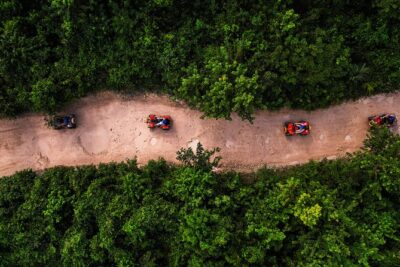
From Playa del Carmen ATV Adventure with Ziplines, Cenote
Read our review →
Half-Day Sea Turtle and Cenote Snorkeling Tour from Cancun & Riviera Maya
Read our review →
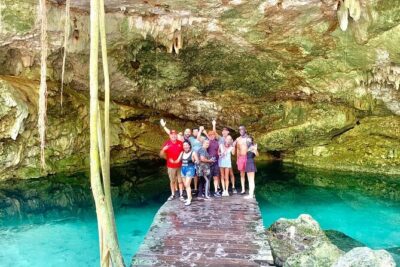
Playa del Carmen Buggy Tour with Cenote Swim and Mayan Village Visit
Read our review →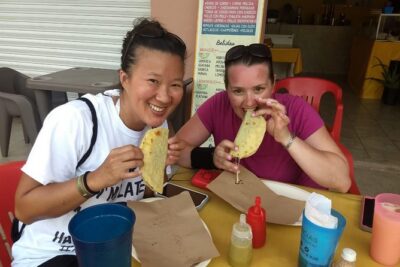
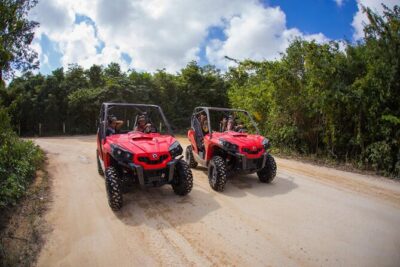
Jungle Buggy Tour from Playa del Carmen Including Cenote Swim
Read our review →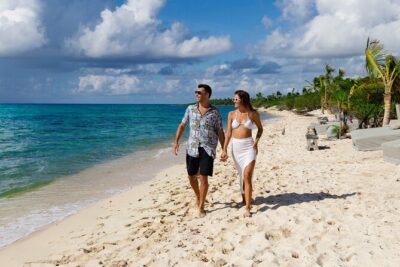
Hidden Cenote Swim: Snorkeling, Sea Turtles and Beachside Lunch
Read our review →